Hand-Drawn Doodle Symbols and Shapes: A Strategic Tool for Creative Expression
In a world where digital precision often dominates, hand-drawn doodle symbols and shapes offer a refreshing contrast. These organic, expressive elements bring a unique visual language to creative projects, branding efforts, and personal expression. Whether you're an entrepreneur, designer, educator, or hobbyist, understanding the strategic value of these symbols can enhance your work in meaningful ways.
What Are Hand-Drawn Doodle Symbols and Shapes?
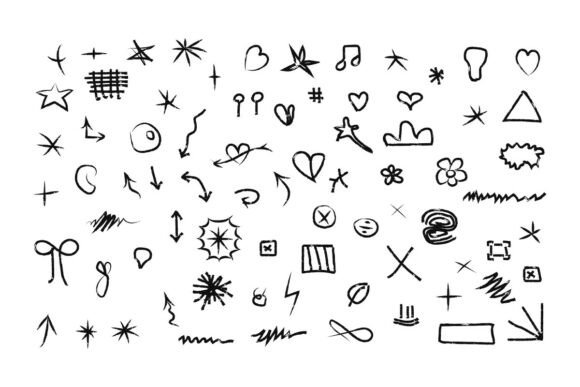
Hand-drawn doodle symbols and shapes refer to freeform, artistic representations of common icons, such as hearts, stars, arrows, and abstract marks. Unlike polished vector graphics, these designs retain the imperfections and character of human sketching. This style is particularly appealing for projects that aim to convey warmth, creativity, or a more approachable aesthetic.
The collection typically includes a variety of formats, such as AI files for professional design software, EPS files for scalable vector graphics, and JPEG previews for quick reference. These files are ideal for users who want to integrate hand-drawn elements into their work without the need for manual drawing.
Why Strategic Use Matters
While hand-drawn doodles may seem purely decorative, they can play a crucial role in strategic communication. When used intentionally, they help create a distinct visual identity, support storytelling, and enhance user engagement. For instance, a small business owner might use doodle symbols to add personality to marketing materials, while an educator could incorporate them into lesson plans to make content more relatable.
Strategic use involves more than just selecting a random symbol. It requires thoughtful consideration of context, audience, and purpose. A heart, for example, might represent love in one context but could signify a product feature in another. Understanding these nuances ensures that the symbols align with your broader goals.
When and How to Use Hand-Drawn Doodle Symbols
Hand-drawn doodle symbols are most effective when they serve a clear function within a larger design or message. Here are some practical scenarios:
- Branding: Incorporate doodle elements into logos, packaging, or social media profiles to create a memorable, humanized brand image.
- Marketing Materials: Use symbols to break up text, highlight key points, or add visual interest to presentations, flyers, or digital ads.
- Educational Tools: Add doodles to worksheets, infographics, or interactive learning platforms to make complex ideas more accessible.
- Content Creation: Enhance blog posts, newsletters, or social media content with doodles to engage readers and reinforce key themes.
When integrating these symbols, consider the overall tone of your project. A minimalist design might benefit from subtle, clean doodles, while a more playful campaign could embrace bold, chaotic sketches.
Planning Tips for Effective Integration
To maximize the impact of hand-drawn doodle symbols, follow these planning steps:
- Define Your Objective: Determine what you want to achieve with the symbols—whether it's enhancing aesthetics, improving clarity, or building brand recognition.
- Understand Your Audience: Consider how your target audience will perceive the symbols. What connotations do they carry? Will they resonate with your message?
- Choose the Right Style: Select symbols that match the mood and tone of your project. A casual, informal setting may call for rough, sketchy designs, while a professional environment might require cleaner, more refined doodles.
- Test and Refine: Experiment with different placements and combinations. Use feedback from stakeholders or users to refine your approach.
By taking a structured approach, you can avoid common pitfalls, such as overuse or misalignment with your goals.
Strategic Observations and Decision-Making
One of the key advantages of hand-drawn doodle symbols is their flexibility. They can be adapted across various mediums and applications, making them a valuable asset in multi-channel strategies. However, this versatility also means that careful decision-making is essential.
For example, a marketer might choose to use doodle symbols in a social media campaign to create a sense of authenticity and connection. But without a clear strategy, the symbols could become distracting rather than beneficial. The same applies to educators using doodles in teaching materials—if not properly integrated, they may confuse rather than clarify.
Another observation is that hand-drawn elements can help differentiate your work in a crowded market. In industries where digital uniformity is common, adding a touch of handmade artistry can set your content apart and attract attention.
Risks of Unintentional Use
While hand-drawn doodle symbols offer many benefits, using them without a clear purpose can lead to several risks:
- Visual Clutter: Overusing symbols can make designs feel chaotic and unprofessional.
- Miscommunication: Symbols that don't align with your message may confuse your audience or dilute your brand.
- Loss of Credibility: In professional contexts, excessive or poorly executed doodles may undermine the perceived quality of your work.
To avoid these issues, always ask: Does this symbol support my goal? Is it appropriate for my audience? Will it enhance, rather than detract from, the overall message?
Long-Term Value and Sustainable Use
Investing in a hand-drawn doodle symbols and shapes collection can provide long-term value. These assets can be reused across multiple projects, reducing the need for constant redesign and saving time and resources.
Moreover, as trends evolve, the timeless nature of hand-drawn elements ensures they remain relevant. Unlike highly stylized or trend-driven graphics, doodles tend to have a lasting appeal, making them a wise choice for sustainable creative work.
Conclusion: Intentional Use for Better Outcomes
Hand-drawn doodle symbols and shapes are more than just decorative elements—they are strategic tools that can enhance communication, creativity, and engagement. By approaching them with intention and purpose, you can unlock their full potential and achieve better results in your projects.